

£75.00 – £400.00Price range: £75.00 through £400.00
What is Tapentadol?
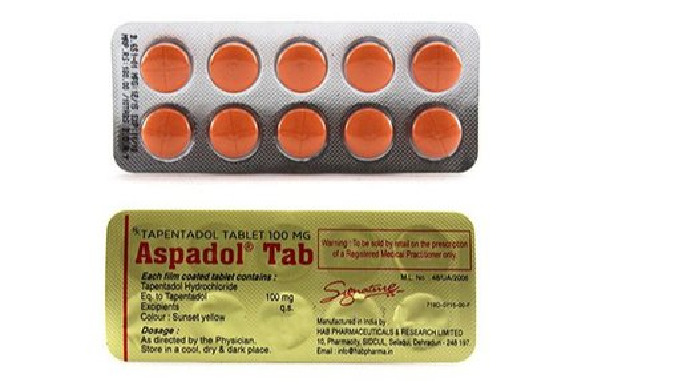
Tapentadol 100mg UK is a prescription medication used to manage moderate to severe pain, both acute and chronic. It is a centrally acting analgesic with dual mechanisms of action, offering effective pain relief while potentially minimizing some of the side effects associated with traditional opioids. You can buy Tapentadol UK in immediate-release (IR) and extended-release (ER) formulations under various brand names, including Nucynta.
Medical Indications
Buy Tapentadol UK Online for the management of:
Moderate to severe acute pain, such as pain following injury, surgery, or trauma
Chronic musculoskeletal pain, including lower back pain or osteoarthritis-related pain
Neuropathic pain associated with conditions such as diabetic peripheral neuropathy (for the ER formulation)
It is typically prescribed when non-opioid analgesics or weaker opioids are insufficient or inappropriate for pain control.
Mode of Action
Tapentadol 100mg UK has a dual mechanism of action, making it unique among other pain-relief medications:
μ-opioid receptor agonistIt binds to mu-opioid receptors in the brain and spinal cord, similar to traditional opioids, to reduce the perception of pain.
Norepinephrine reuptake inhibitor (NRI)It inhibits the reuptake of norepinephrine, enhancing its levels in the central nervous system. This contributes to descending pain modulation, helping suppress pain signals from reaching the brain.
This combination allows the medicine to offer strong analgesic effects with reduced gastrointestinal side effects like constipation compared to conventional opioids such as morphine or oxycodone. Therefore, people often choose to buy Tapentadol UK.
Dosage and Administration
Before you buy Tapentadol UK Online, discuss its dosing regimen with your doctor. The appropriate dose depends on the formulation (IR or ER), the severity of pain, and the individual patient’s response and medical condition.
For Adults:
Immediate-release (IR):
Usually starts at 50 mg to Tapentadol 100mg UK every 4 to 6 hours as needed.
Maximum recommended daily dose: 600 mg per day for acute pain.
Extended-release (ER):
Typically initiated at 50 mg to 100 mg twice daily
Dosage may be adjusted based on response, with a maximum of 500 mg per day for chronic pain.
The medicine should be swallowed whole, especially the extended-release form, and not crushed or chewed, as this may lead to rapid release and potentially dangerous side effects. Discuss the pros and cons of the medicine with a doctor before you buy Tapentadol UK.
Use in Special Populations
Not recommended for use in children and adolescents under 18 years.
Renal and hepatic impairment may require dose adjustment or avoidance depending on severity.
Possible Side Effects
Tapentadol 100mg UK is generally well-tolerated, but like all opioids, it can cause side effects. These may vary based on individual sensitivity, dosage, and duration of use.
Common Side Effects:
Nausea
Dizziness
Drowsiness or sedation
Vomiting
Constipation
Headache
Fatigue
Less Common but Serious Side Effects:
Respiratory depression
Low blood pressure (hypotension)
Seizures
Serotonin syndrome (when combined with other serotonergic drugs)
Dependence and withdrawal symptoms
Allergic reactions (rash, itching, swelling)
Seek immediate medical attention if you experience trouble breathing, severe drowsiness, confusion, or signs of allergic reaction. Discuss the side effects thoroughly with your doctor before you buy Tapentadol UK Online.
Precautions and Warnings
Before they buy Tapentadol UK, patients should be aware of the following precautions:
Risk of Addiction, Abuse, and Misuse
It is a Schedule II controlled substance with a high potential for abuse and dependence.
Use should be limited to the lowest effective dose for the shortest possible duration.
Respiratory Depression
Serious and potentially fatal respiratory depression can occur, especially during initiation or dose escalation.
Caution is advised in patients with respiratory conditions, such as asthma or COPD. These patients must buy Tapentadol UK Online after careful consideration.
Head Injury or Increased Intracranial Pressure
This pain management drug can elevate intracranial pressure and may obscure the clinical course of patients with head trauma.
Seizure Risk
It may increase the risk of seizures, particularly in patients with a history of seizure disorders or those taking medications that lower the seizure threshold. Such patients should buy Tapentadol UK after consulting their doctor.
Hepatic Impairment
Should be used with caution in mild to moderate liver dysfunction and avoided in severe hepatic impairment.
Pregnancy and Lactation
Use during pregnancy may cause neonatal opioid withdrawal syndrome.
This medicine passes into breast milk; caution is advised during breastfeeding. Nursing mothers should buy Tapentadol UK after weighing its pros and cons.
Operating Machinery
May cause drowsiness, dizziness, or impaired thinking.
Patients should avoid driving or operating heavy machinery until they understand how the medication affects them.
Drug Interactions
This medicine may interact with various medications and substances, potentially increasing the risk of side effects or reducing effectiveness. Inform your doctor about any medicine you are taking currently; before you buy Tapentadol UK Online:
CNS Depressants
Concurrent use with benzodiazepines, alcohol, sedatives, or other opioids increases the risk of profound sedation, respiratory depression, coma, or death.
MAO Inhibitors
Contraindicated with monoamine oxidase inhibitors (MAOIs) or within 14 days of discontinuing MAOIs, as this can cause serotonin syndrome or hypertensive crisis.
Serotonergic Drugs
Co-administration with SSRIs, SNRIs, or tricyclic antidepressants may increase the risk of serotonin syndrome, a potentially life-threatening condition.
Drugs Lowering Seizure Threshold
Use caution with drugs like tramadol, bupropion, antipsychotics, which can increase seizure risk.
CYP Enzyme Interactions
Unlike many opioids, Tapentadol is not heavily metabolized by CYP450 enzymes, which reduces the risk of certain drug interactions compared to other opioids.